
How smart technologies are reshaping Vietnam’s apparel industry
Introduction: Vietnam’s Garment Powerhouse
Vietnam’s garment manufacturing sector is one of the country’s strongest economic drivers, contributing significantly to GDP and employing more than 2.5 million workers. In 2023, the government raised the minimum wage for Ho Chi Minh City workers to $190 per month (up from $180 in 2022), reflecting the rising value of labour.
Today, Vietnam stands as the second-largest apparel producer in Asia after China, supplying brands worldwide. Its scale, cost competitiveness, and skilled workforce have made it a global leader. But to stay ahead, the sector must adapt to new challenges — and embrace digital transformation.
Challenges Facing Traditional Manufacturing
While the sector is strong, it faces several pressing challenges:
These challenges create both risks and opportunities. Manufacturers who embrace smart technologies can thrive; those who don’t risk falling behind.
What Is Industry 4.0?
Industry 4.0 is the fourth industrial revolution, driven by technologies such as:
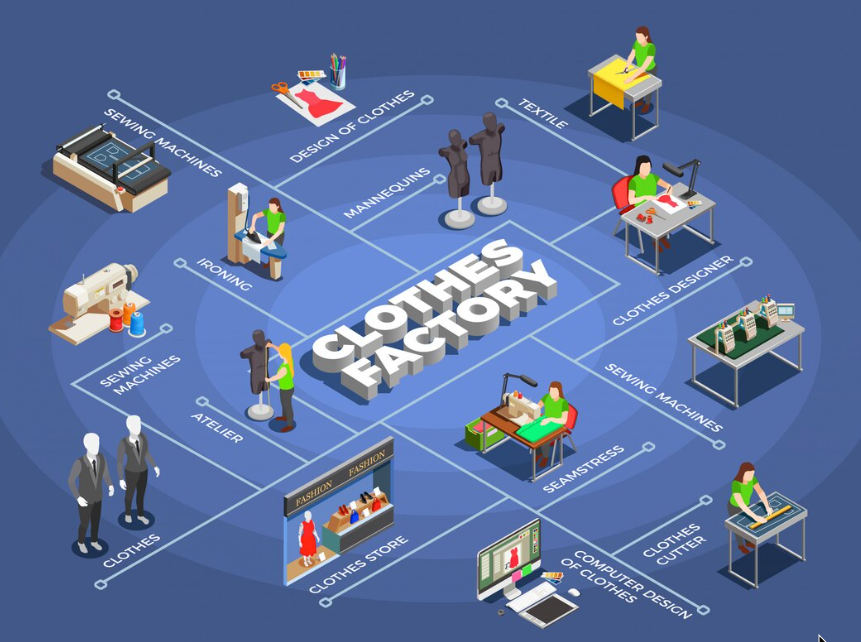
In garment production, Industry 4.0 transforms factories into “smart factories”: highly automated, interconnected, and data-driven environments where design, production, and logistics are seamlessly integrated.
Key Technologies Driving Change
These technologies are no longer futuristic, they’re being adopted in Vietnam’s top factories today.
Benefits of Industry 4.0 for Vietnam’s Garment Sector
Implementing Industry 4.0 in Vietnam
Transitioning requires a strategic roadmap:
Challenges Ahead
Despite these barriers, the long-term benefits outweigh the risks. Forward-thinking manufacturers who adopt Industry 4.0 will lead Vietnam’s next phase of growth.
Conclusion: Vietnam’s Opportunity to Lead
As the global fashion industry demands faster, smarter, and more sustainable production, Vietnam has a unique chance to set the standard. By embracing Industry 4.0, Vietnamese garment manufacturers can strengthen their global competitiveness, empower their workforce, and position the country as a leader in smart, sustainable apparel production.
We’d love to hear from you. Whether you have questions or a project in mind, our team is here to help. To serve you better, please share as much detail as possible about your brand and product, the more we know, the better we can meet your needs.
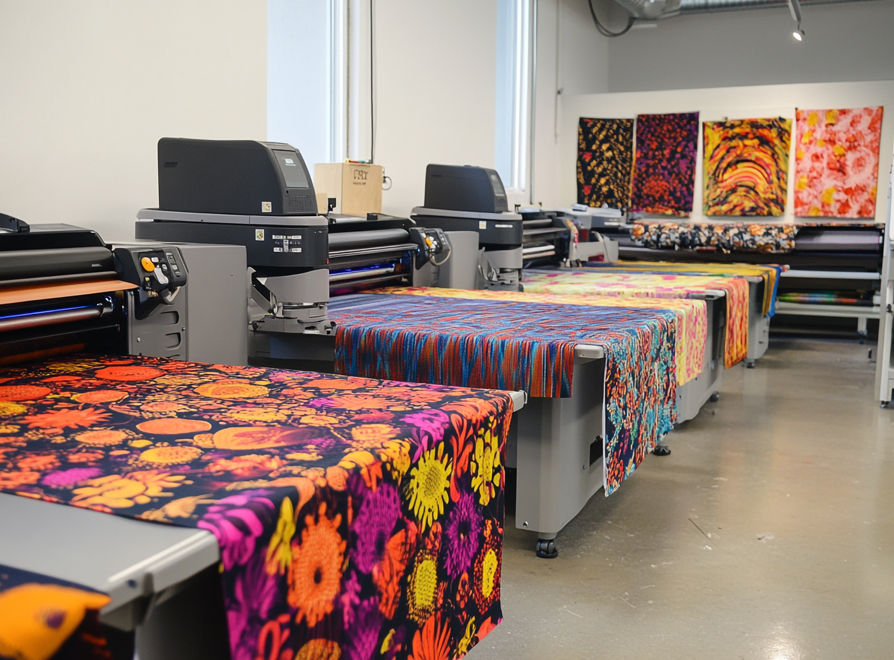
Discover how vibrant, eco-friendly printing is revolutionizing apparel production in Vietnam ...
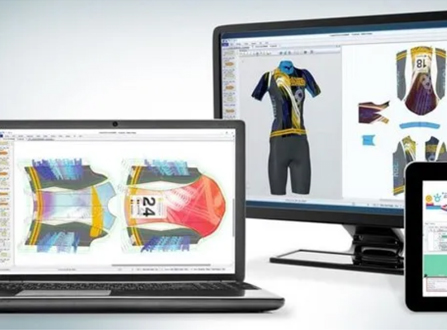
Vietnam has long been a powerhouse in the global textile and apparel industry. But today, it’s ...
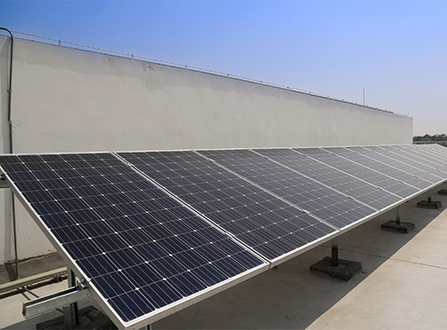
Fashion is one of the world’s biggest polluters, responsible for 10% of global carbon emissions ...

The global fashion industry is under pressure. Brands and trade partners demand cleaner ...